
I love cruising. Whether it's a short cruise to the Bahamas with friends or a longer sailing with my family, I always enjoy being on the open sea. This past summer, my family took an expedition cruise with National Geographic Expeditions/Lindblad Expeditions to Greece, Albania, and Croatia. This type of cruising is very different, but can be a great option for families.
If you are choosing between an expedition cruise and a traditional cruise, here's what you need to know and consider.
Disclosure: I've sailed on both media sailings and sailings at my own cost. My expedition cruise was at my own expense. All opinions are my own. This post may contain affiliate links and a purchase/click through one of these links may result in a commission paid to us at no additional cost to you.
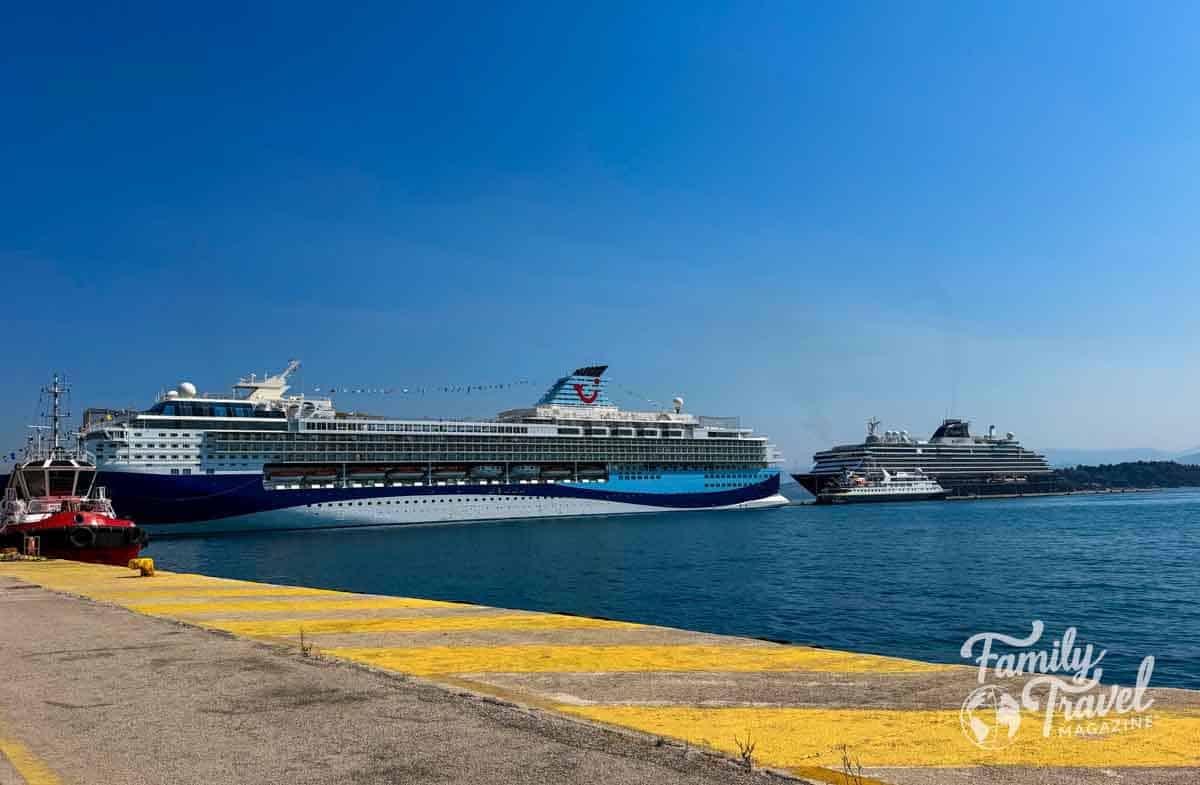
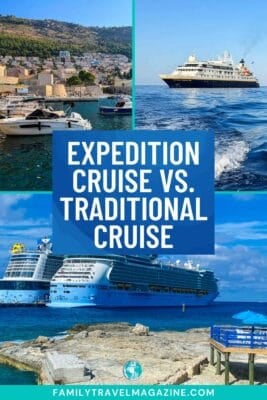
Expedition Cruise vs. Traditional Cruise: Which Is Right for Your Family?
| Feature | Expedition Cruise | Traditional Cruise |
|---|---|---|
| Ship size | Smaller and more intimate | Often much larger, with thousands of guests |
| Main focus | Exploration, education, and destinations | A mix of onboard activities and port experiences |
| Onboard activities | Lectures, trivia, crew-led shows, and movies | Game shows, production shows, bands, magicians, dance parties, and more |
| Family amenities | Typically fewer resort-style amenities | May include pools, water parks, splash areas, arcades, sports decks, ziplines, rides, and bowling |
| Kids’ clubs | May not be available | Common on family-focused ships |
| Excursions | A major part of the experience and a key reason to choose this type of cruise | Optional; guests can also choose to stay on the ship |
| Downtime | Often less, with days focused on exploring destinations | Often more, especially on sea days |
| Dining | Fewer dining venues and more structured meal times | More dining choices, including buffets, specialty restaurants, grab-and-go options, and main dining rooms |
| Cost | Usually more expensive upfront, but may include more | May cost less upfront, but excursions and other extras can add to the total |
| Planning | More curated, with fewer excursion decisions to make | More choices to make for dining, activities, and excursions |
| May work well for | Families with tweens or teens who enjoy adventure, nature, history, and learning | Families who want kids’ clubs, downtime, and lots of onboard amenities |
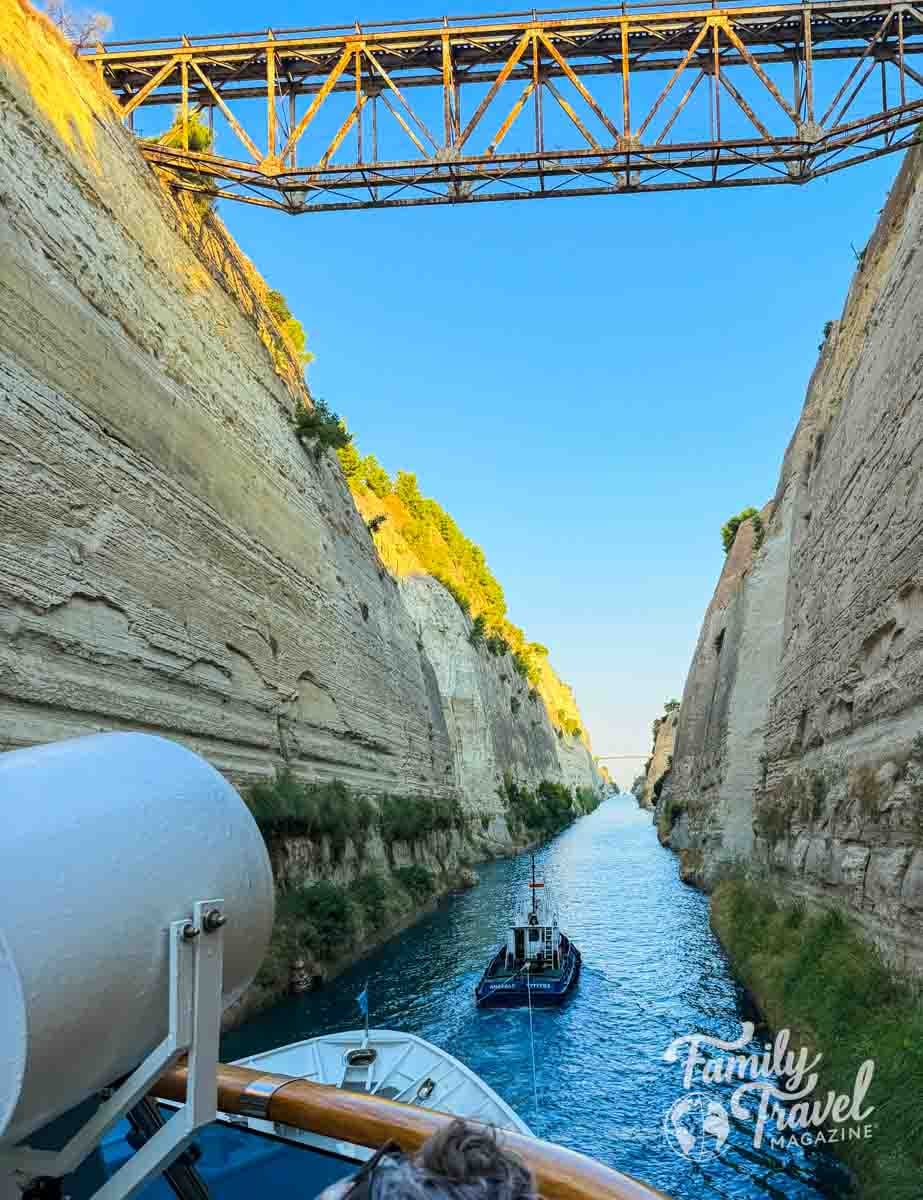
What Is an Expedition Cruise?
Expedition cruises typically take place on smaller ships that offer access to ports and routes that aren't always accessible to larger ships. These ships offer staterooms, restaurants, and other amenities like typical cruise ships, but are much smaller and more intimate. For instance, the ship I sailed on, the National Geographic Orion, accommodated 102 guests, rather than the thousands on standard cruise ships.
These ships focus more on expedition and education, with specialized guides offering lectures on topics such as marine life, geology, birding, and culture. Daily excursions vary but may include hiking, exploring the local area, nature walks, historical exploration, and more.
Life on board is different on an expedition cruise. While you will sleep and eat meals on board, the recreation is very different. You generally won't find the resort-style amenities associated with large family cruise ships, such as water parks, large production shows, extensive kids' clubs, arcades, or a long schedule with multiple entertainment options.
Although excursions are generally optional, you get the most value from an expedition cruise by participating in the excursion off the ship. The ability to explore each destination is a major reason to choose this type of cruise. The biggest benefit of an expedition cruise is the type of exploration you can do in the local areas.
When my family chose our National Geographic Expedition cruise, we chose it because it was the best way to see many different destinations in a short time frame. Instead of spending our days on buses and trains, we could explore the local area and travel to new spots overnight or during lunch on board.
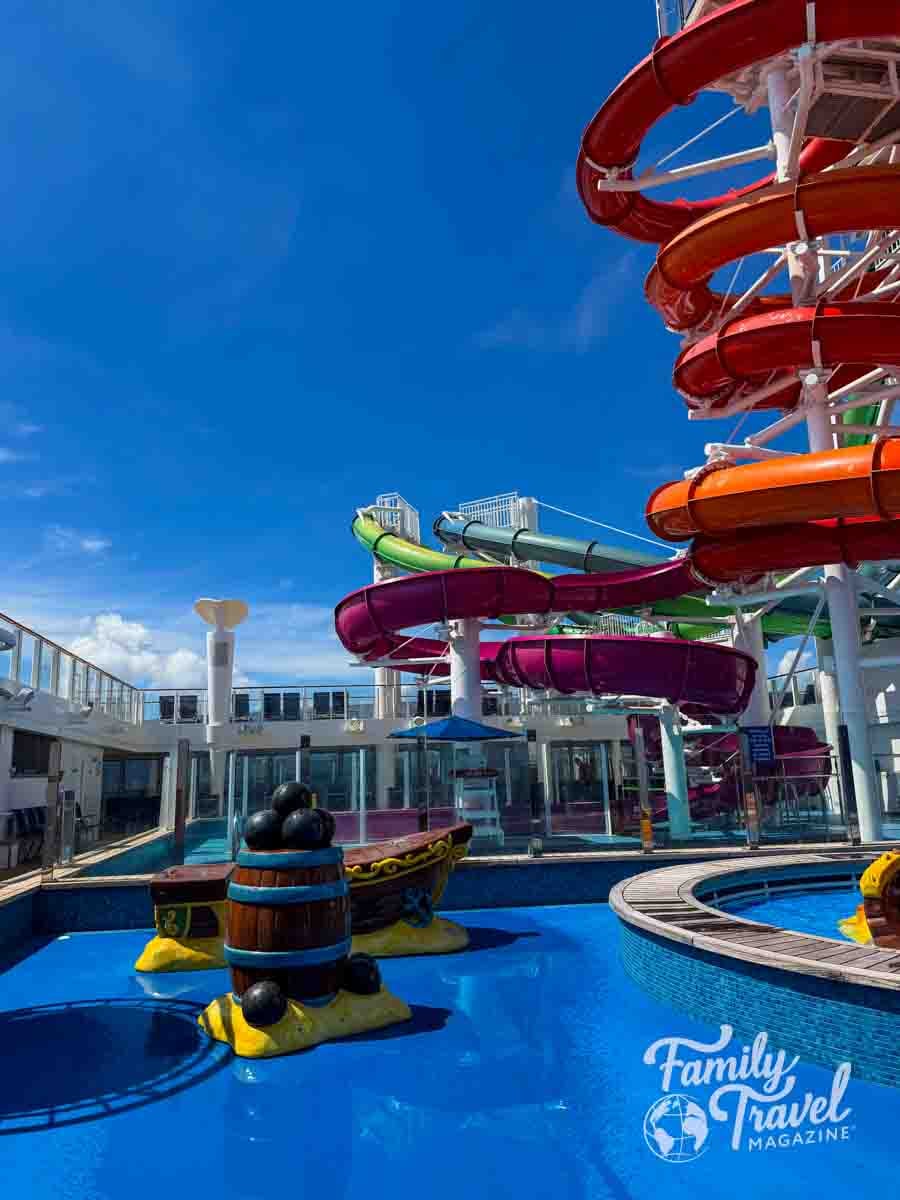
What Is a Traditional Cruise?
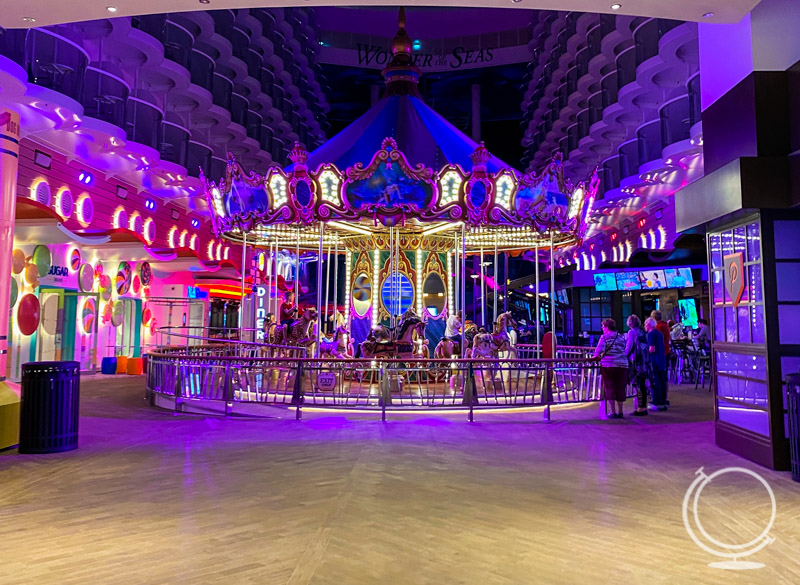
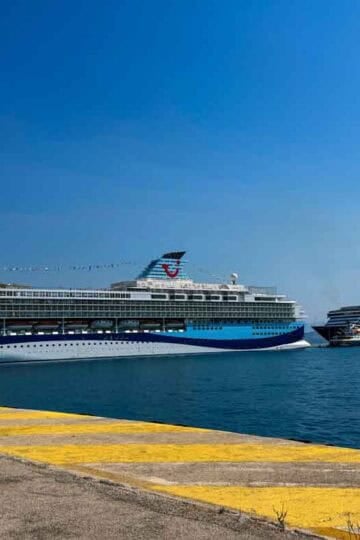
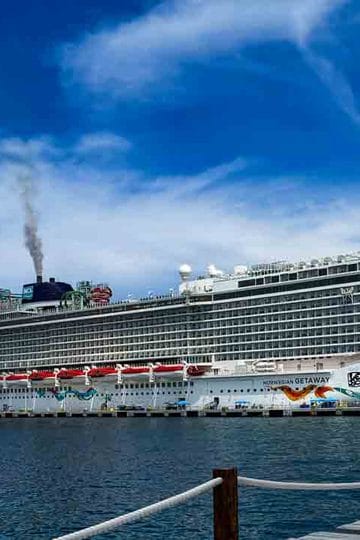
There are many different mainstream family cruise lines, and these can vary greatly. Here are some of our favorite family cruise lines. Many family-focused cruise ships offer some combination of the following
- Pool decks
- Entertainment, including bands, DJs, and shows
- Kids' clubs
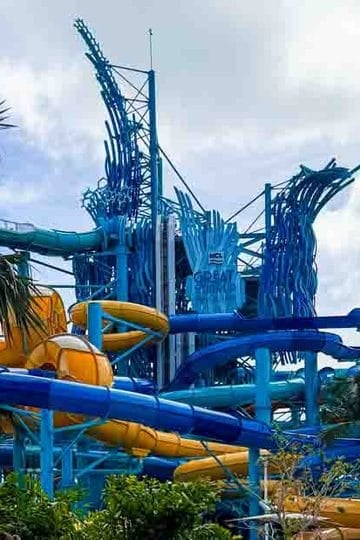
- Exciting features, which may include water parks, splash areas, and arcades. Some ships even offer ziplines, amusement-style rides, and bowling alleys.
- Kid-specific shows and game shows
There will also be a full schedule of events, multiple restaurants, kid-friendly food, and more. Your experience will really vary depending on what you specifically want to do.
Many cruise itineraries, specifically longer ones, include days at sea. During these days, you can do whatever you'd like, including spending a day by the pool, napping, or participating in scheduled activities. The kids' clubs are also an option.
On other days, you'll stop at a port of call. There, you can purchase excursions. Again, you'll have lots of flexibility in the type of day you want. You can also choose to stay on the ship.
What Ages Are Best for an Expedition Cruise?
Expedition cruise lines may have minimum ages that vary by ship and itinerary. Even if your child meets the cruise line's minimum age, you'll still want to consider whether the activities and pace are a good fit. In my experience, an expedition cruise is an excellent option for kids interested in history and science, but you'll also want to consider the specific destination and what you'll do on vacation.
When deciding whether or not your kids are ready for an expedition cruise, you should consider the following:
- Is your child old enough to spend the day off the ship?
- Can your child handle things like getting on and off a Zodiac boat safely?
- Is your child interested in the destination and what they can learn?
- Would your child prefer onboard activities like pools and water slides over educational seminars and local tours?
- Do you need kids' clubs at some point on your trip?
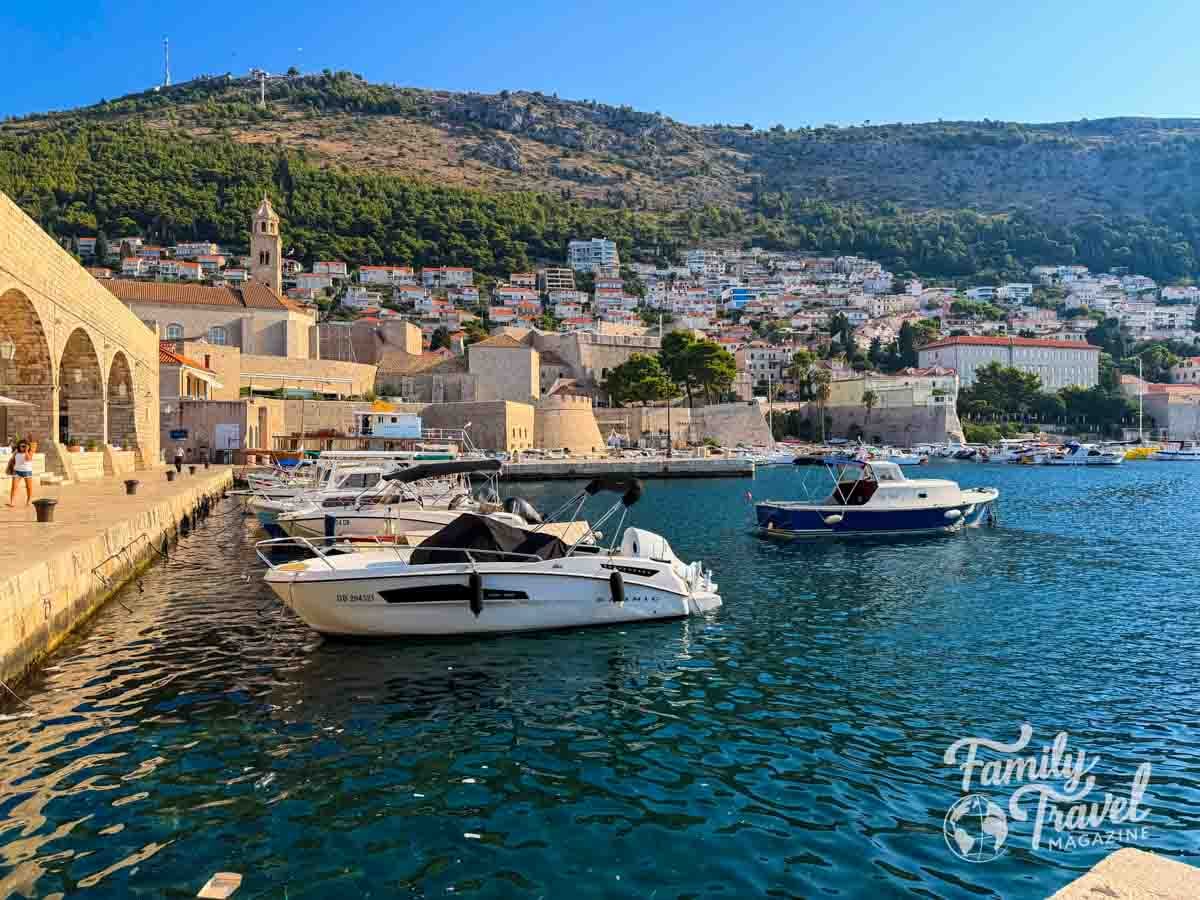
Onboard Activities: Expedition Cruise vs. Traditional Cruise
Activities during the day and evenings are some of the biggest differences between a standard cruise and an expedition cruise. During our expedition cruise, we always had something planned in the evenings, but typically only one activity. These included:
- Trivia night
- Crew-led show
- National Geographic expert lectures
- Movie night
On a traditional cruise, there are loads of activities all planned at the same time. These can include:
- Game shows
- Large-scale production shows
- Bands
- Entertainment, including magicians and ventriloquists
- Dance parties
Downtime is very different. We didn't have much on the expedition cruise. There were no days at sea, and typically we sailed overnight. A few days had us visit two destinations in one day and sail in the afternoon. On those days, we ate lunch and had some free time while sailing.
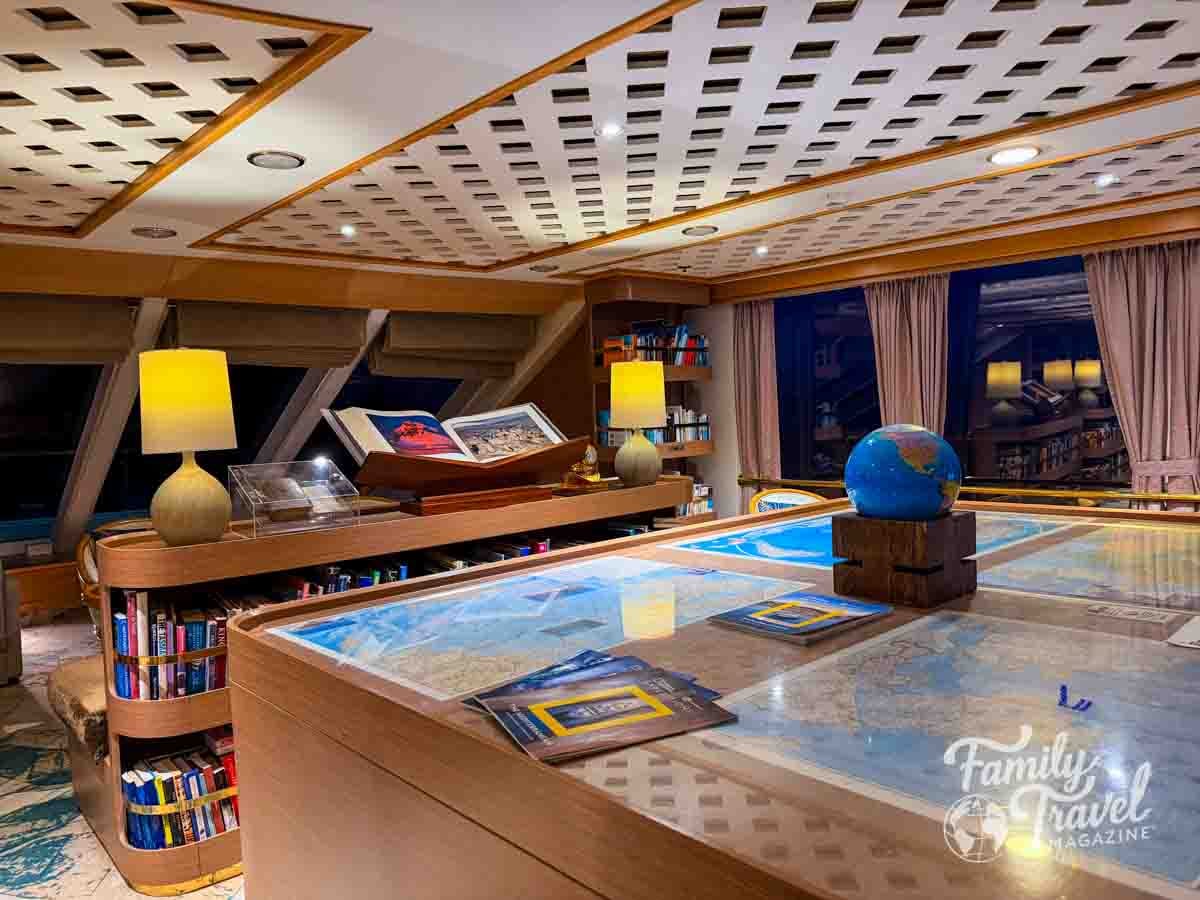
Dining Differences
Dining is another big difference on an expedition cruise. Our ship, the National Geographic Orion, had one mealtime for each meal. Dinners were held in the restaurant with open seating, with a different menu each night. Lunch and breakfast were served in the more informal outdoor cafe and were buffets. The food was excellent, and there were lots of options, but you could eat at only one spot each meal.
On a traditional cruise, there will be more dining options for each meal. This may include casual grab-and-gos, specialty dining, the buffet, and the main dining room(s). You may be assigned a main dining room time, but you will generally have flexibility in when you choose to eat.
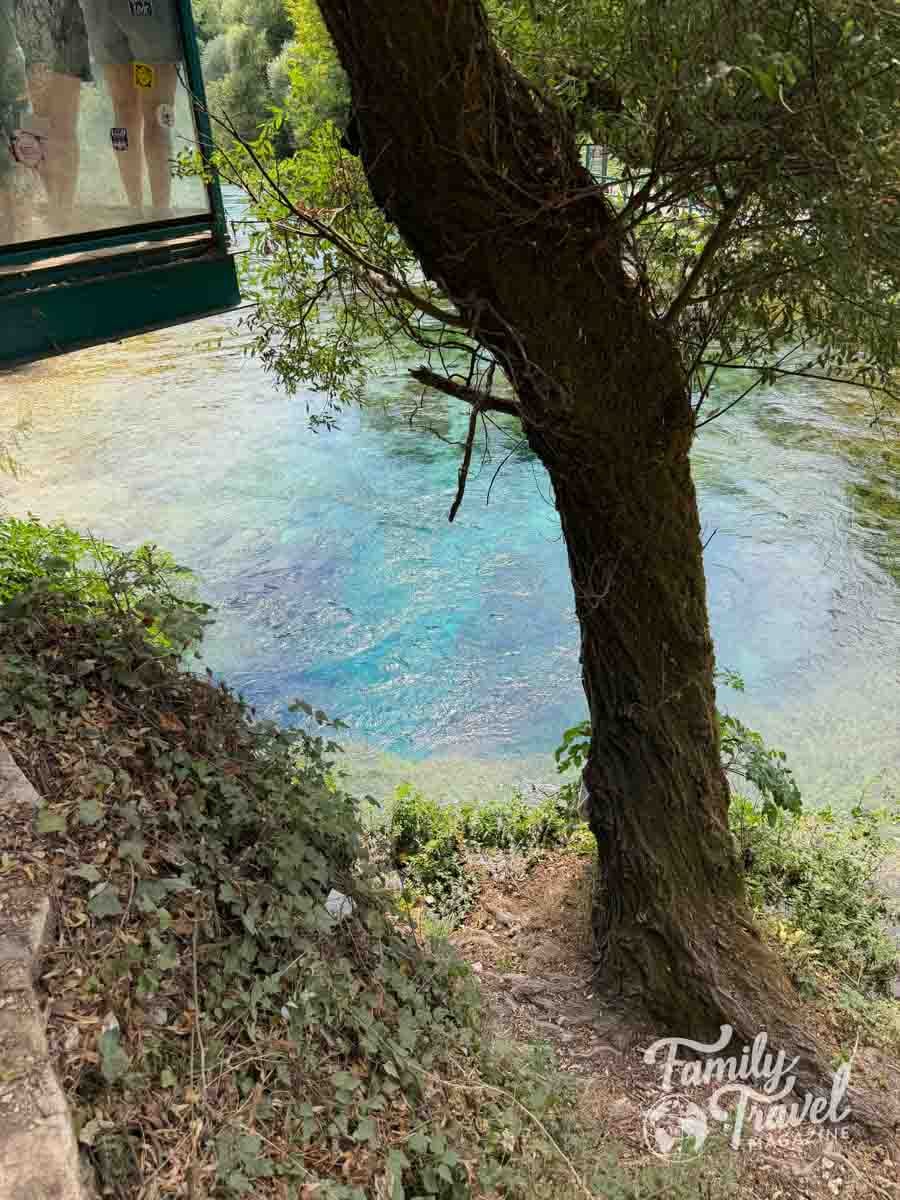
Cost: Which Type of Cruise Is More Expensive?
While prices vary on different types of ships, you'll usually find that an expedition ship is more expensive. But it's important to consider the total cost of each trip as you compare them.
Expedition cruises often include more in the upfront fare than traditional cruises, although inclusions vary by cruise line, ship, and itinerary. On our National Geographic-Lindblad cruise, for example, the fare included excursions, alcoholic beverages, crew gratuities, and eligible airport transfers. These can really add up with a traditional cruise, depending on the types of excursions you want to take.
How Much Planning Is Required?
Both types of cruises require minimal planning, because so much is done for you. However, with a traditional cruise, you will have to do more planning than an expedition cruise.
While you'll usually have some excursion options with both, the number of excursions on an expedition ship is usually less. All of the planning is done for you, so once you choose your top excursion options, you really just have to show up when they tell you to.
You also won't have as much downtime to fill with things. Embarkation and debarkation are clear and easy, which makes things much easier for you.
Which Families May Prefer an Expedition Cruise?
- Families with older teens and tweens
- Families with kids who love adventure, nature, and history
- Families with kids who like staying busy and enjoy learning while on vacation
Which Families May Prefer a Traditional Cruise?
- Families who want kids' clubs to be available
- Families who prefer downtime
- Families who want amenities like pool decks, splash areas, and sports decks
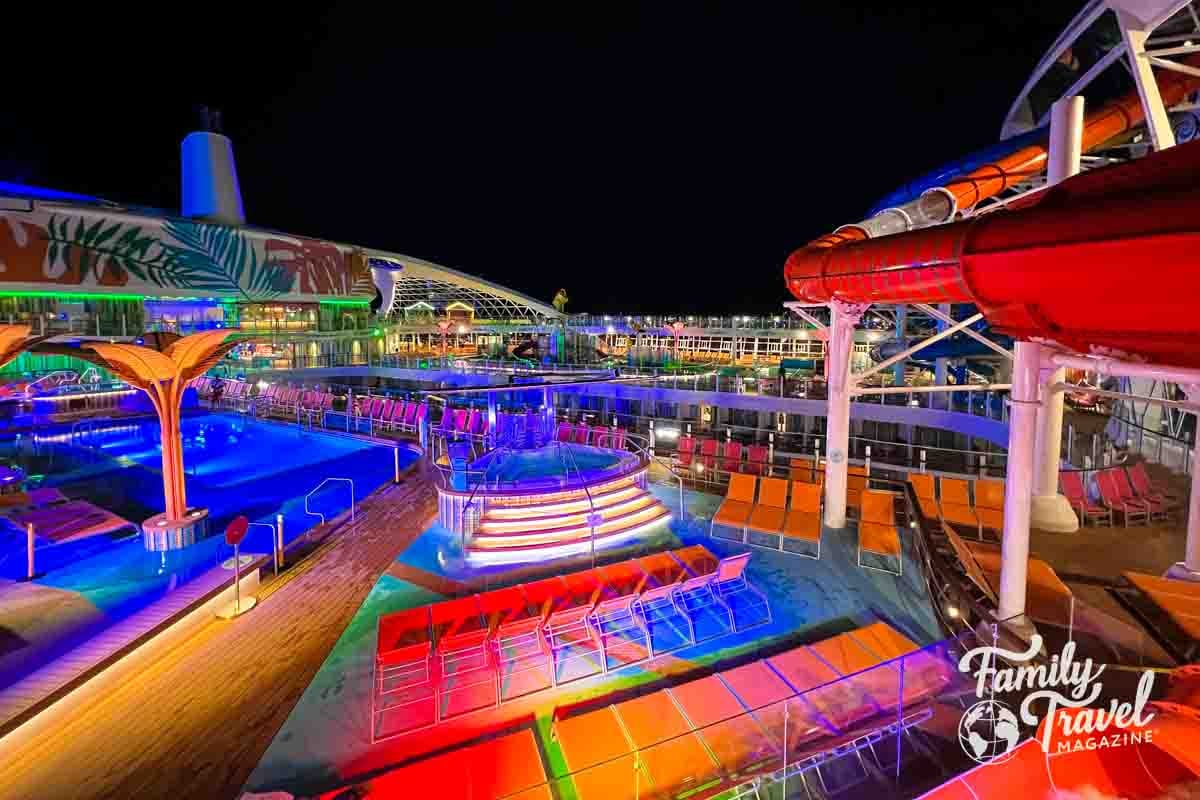
Making the Decision
The final decision should factor in your specific family and what you want to get out of the vacation. My family has done lots of traditional cruises, but when it was time to decide on a summer vacation, the expedition cruise we chose fit what we were looking for.
It offered a nice mix of historical and nature excursions, gave us access to locations a traditional cruise couldn't reach, and had an itinerary that matched what we wanted to see. Because my kids are older, they wanted to experience each destination in a different way and didn't want on-board amenities like pool decks and waterslides.
Ultimately, both are great options, so it really does depend on the vacation you'd like to have.

Leave a Reply