
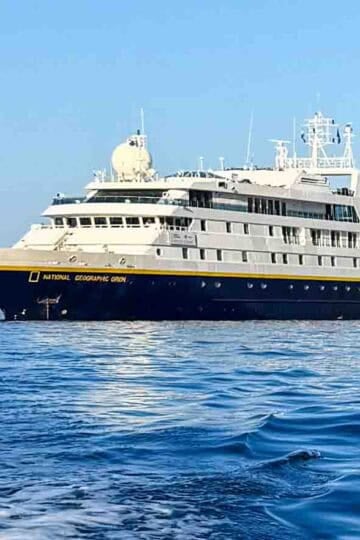
If you are looking for a vacation adventure to multiple locations while deeply exploring the marine life, culture, geology, and other aspects of the area, National Geographic Expeditions (in partnership with Lindblad Expeditions) are a great option. This past summer, my family, along with my kids (ages 20 and 22), went on the National Geographic Orion on the Ancient Mediterranean trip. We visited locations in Greece, Albania, and Croatia.
These trips can be an investment and a splurge, so it's important to know whether it's a good idea for your specific family before booking. In my opinion, it can be a great vacation option for families, but it definitely suits some families more than others.
Disclosure: We paid full price for our National Geographic Expedition. All opinions are my own. This post may contain affiliate links, and a purchase through one of these links may result in a commission paid to us at no additional cost to you.
Are Lindblad Expeditions Good for Families? What Parents Need to Know
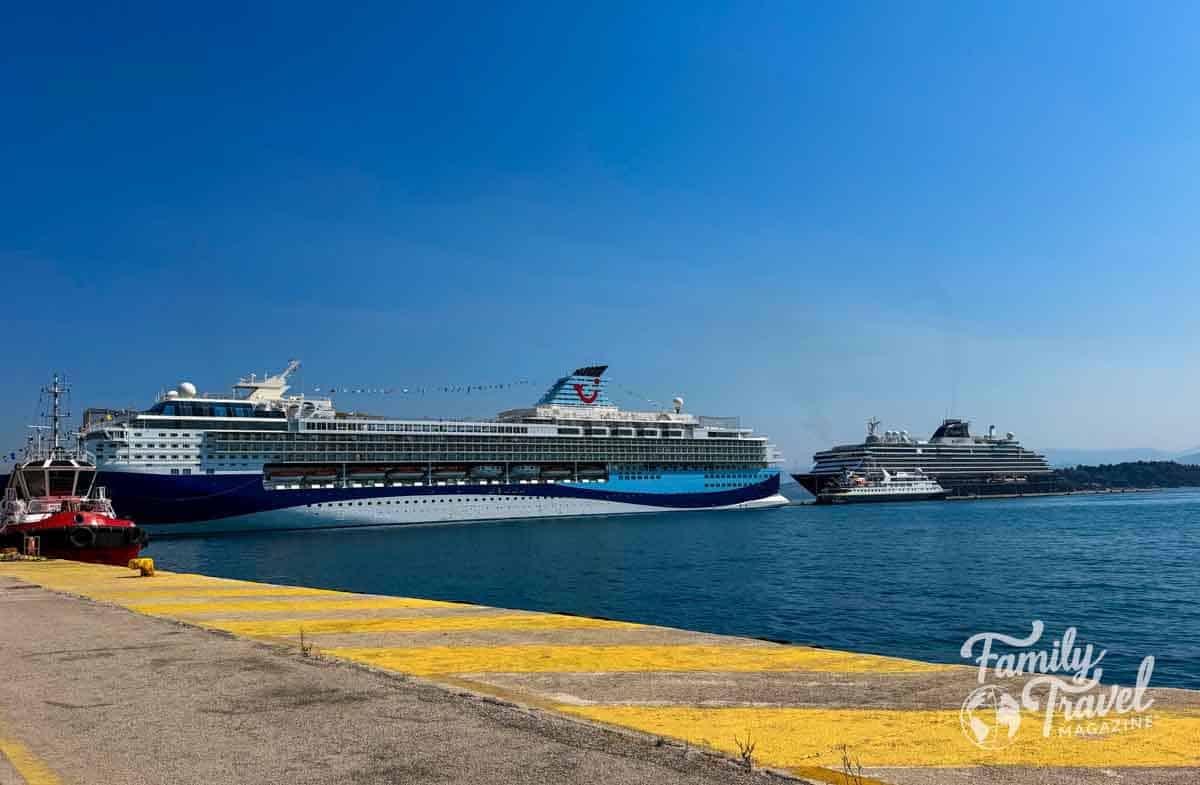
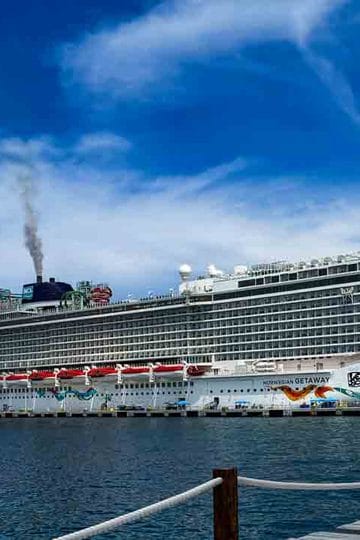
It's important to know that while these trips are family-friendly, they don't cater specifically to children. The ships are very small and don't have the typical exciting activities and amenities of larger cruise ships. There's no pool, no water park, no kids' clubs, no arcade, and no sports deck. Instead, these ships are built for comfort and to bring you from point A to point B, often visiting ports and destinations that aren't accessible to traditional cruise ships.
They are best for families with kids who are interested in history, culture, and/or science. Trip focus can vary, so look at the specific itineraries. For instance, our Ancient Mediterranean trip focused more on culture and history and less on undersea life.
For a specific age range, I would say it's best for families with older kids (like older tweens, teens, and young adults). However, again, it's important to think specifically about your family. A kid who wants kids' clubs and exciting onboard amenities won't love this trip, no matter the age.
What Days Are Like on Lindblad Expeditions
When you travel on a National Geographic/Lindblad Expedition, you'll often get to choose among several different excursions at each destination. A few places had only one option, but typically there were at least three choices. We received a list of excursion options and descriptions a few days before our trip, and were able to rank-order them. Once we were on board, we received our agenda.
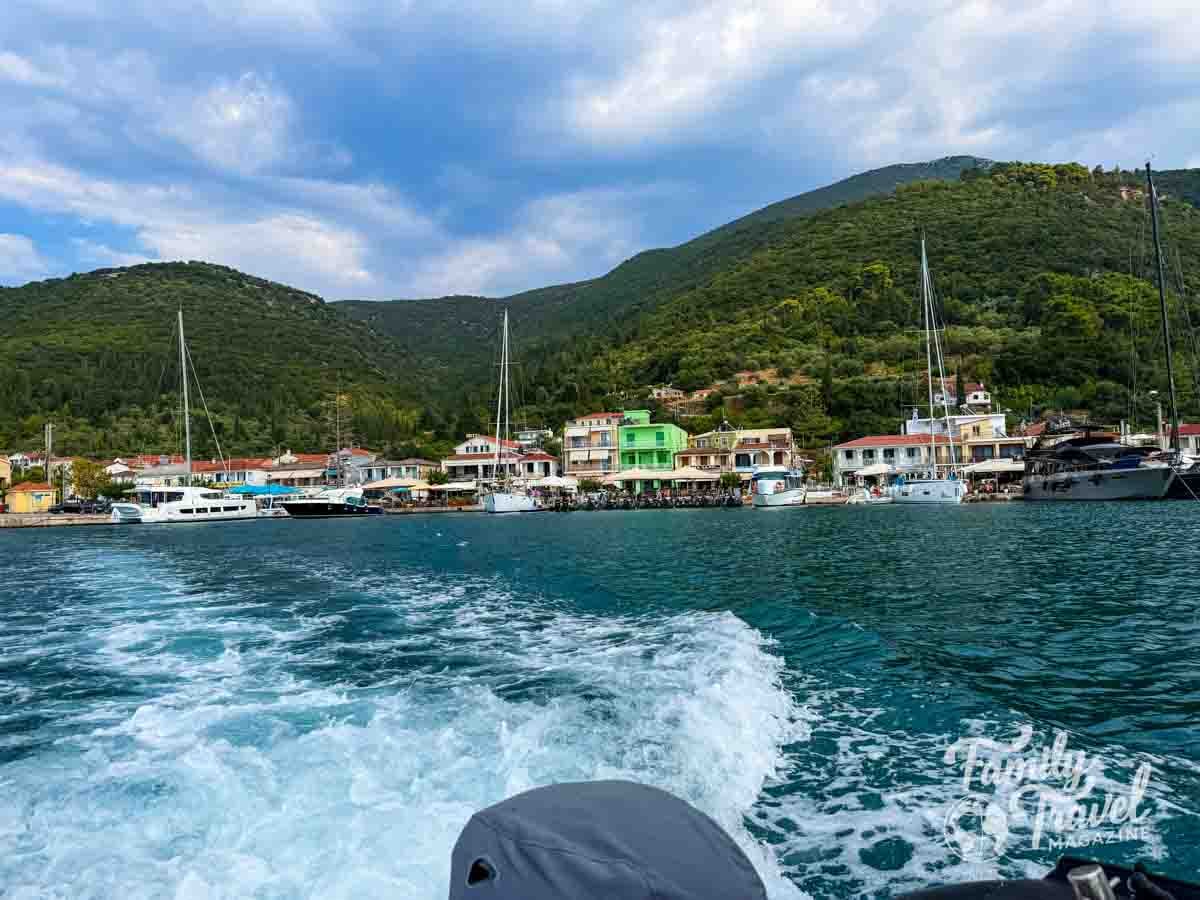
While I wouldn't call our trip strenuous, a few things are worth knowing. Some excursions are more strenuous than others, and they explained that clearly. At some destinations, we docked offshore and had to take a Zodiac to reach the shore. Make sure your kids can handle that safely.
We woke up early each day, and after a buffet breakfast, we ventured out for our excursions. The ship typically called us to disembark based on our excursions, especially when we were boarding Zodiacs.
Sometimes we were gone for the day; other times, we were gone for a few hours. Most meals, with the exception of two lunches, were served on the ship. Dinners were served à la carte style at the same time in the restaurant. We had open seating, so we could choose to sit with whoever we'd like.
Each day, there was an optional lecture about the destination, including topics such as smartphone photography, geology, and local culture. These were often held while we were at sea, so they were a great way to pass the time. The opportunity to learn from true experts is really unique.
While my kids are young adults, they still have picky palates. There were always some meal options that appealed to them, including grilled chicken, pizza, and pasta.
Cabins
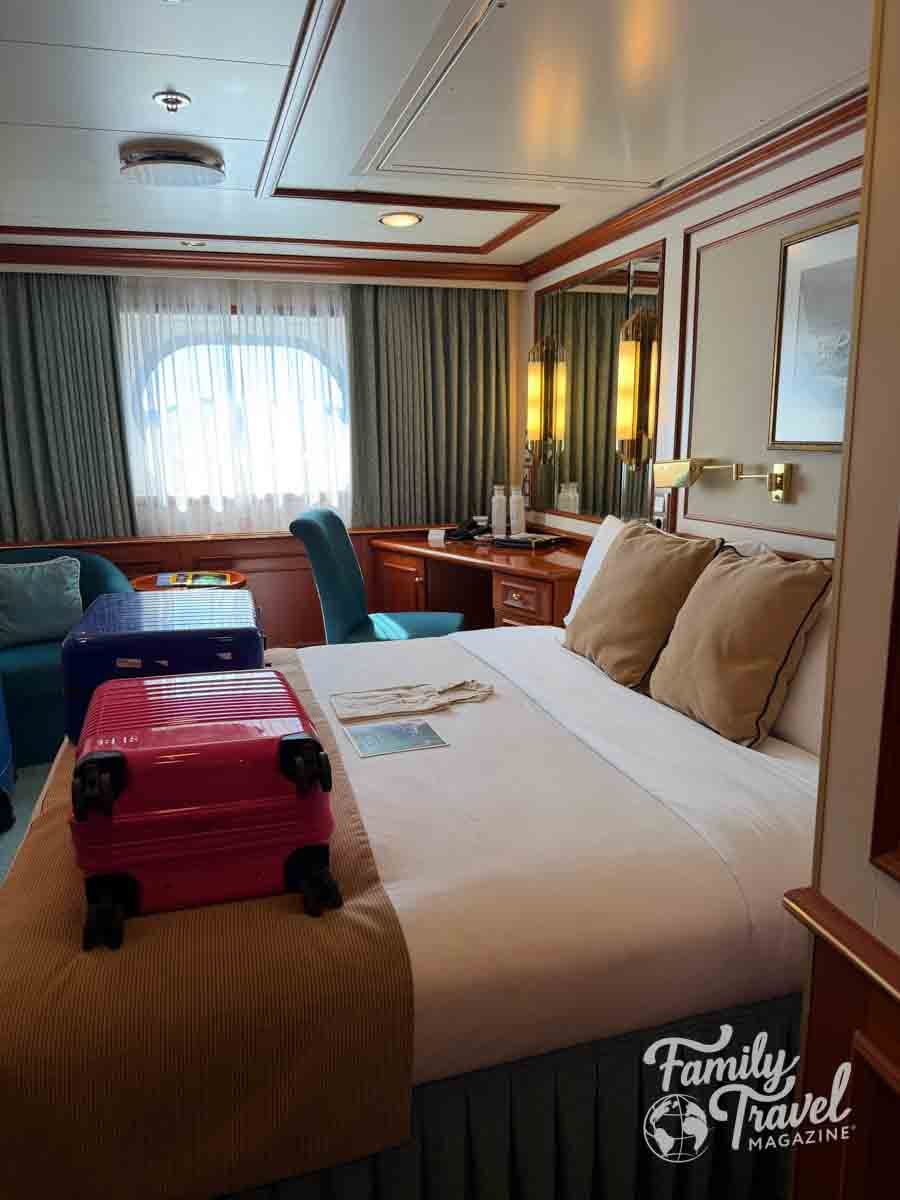
Cabins/Stateroom options on the National Geographic Orion vary mainly by room location and size. Options also vary by the ship, so you'll need to look at the exact ship you are booking to discover the type of rooms offered.
On the National Geographic Orion, we needed two separate staterooms for our family of four. The staterooms didn't have a connecting door, but they were adjacent. On this ship, rooms aren't locked (unless you request they are) unless you lock them from the inside, so we were easily able to go in between rooms when we needed to.
Some staterooms on some ships can accommodate three guests, and some ships offer connecting rooms. You will choose your specific stateroom when you book, so you'll know exactly what you are getting.
What Families Should Consider Before Booking
There are pros and cons that you'll need to consider when you are deciding whether or not to book a National Geographic Expedition for your family. Depending on your family, some of these may be pros while others may be cons.
- Ships are built for expedition, not for entertainment
- There's a strong educational element to these trips
- While itineraries are family-friendly, they aren't kid-focused
- There may not be many other kids on the trips
- Group travel always comes with limited flexibility on agendas and itineraries, although you can pick your own excursions on National Geographic Expeditions
Financial Considerations
National Geographic/Lindblad Expeditions prices are high. However, they do include almost everything you'll spend on your trip, including gratuities, excursion costs, meals, most alcohol (excluding premium wines and spirits), coffee, snacks, and more.
If you are planning a family trip, I'd recommend looking at their Bringing the Kids page on their website. The trips listed include discounts for kids.
As you compare the trip cost with other options, consider the total vacation cost, not just the booking price, since so much is included.
How to Know If It Is Right for Your Family?
If your family loves history, nature, and culture, these trips can be a phenomenal way to learn about the local area hands-on from real experts. When traveling by ship, you'll have the maximum amount of time to explore destinations without needing to fly, take the train, or ride in a bus.
However, if you have a family that prefers shows, kids' clubs, water slides, and pools, these trips may not be the best option.
To learn more about National Geographic/Lindblad Expeditions, visit their website.


Leave a Reply