
If you are embarking on your first-ever cruise, you'll probably be a little anxious. While cruising is generally a relaxing vacation, going on one for the first time can be intimidating. Luckily, the cruise lines make it very easy, and this post can help you prepare.
Please note that this is a general post applicable to all cruise lines, but each one has its own unique approach. So you'll want to research your cruise line specifically beyond this post. Most are similar, though.
Disclosure: We've been on some complimentary media cruises and have paid our own way many times. All opinions are my own.

Essential Cruise Tips for First Timers
Before deciding on a cruise line and ship, you'll want to do some research on the various lines. Some are excellent for kids, while others are best for adults. Review the itinerary, as well as the amenities and activities available on board. Even if you go on an excursion most days, you'll still spend plenty of time on the ship.
Booking
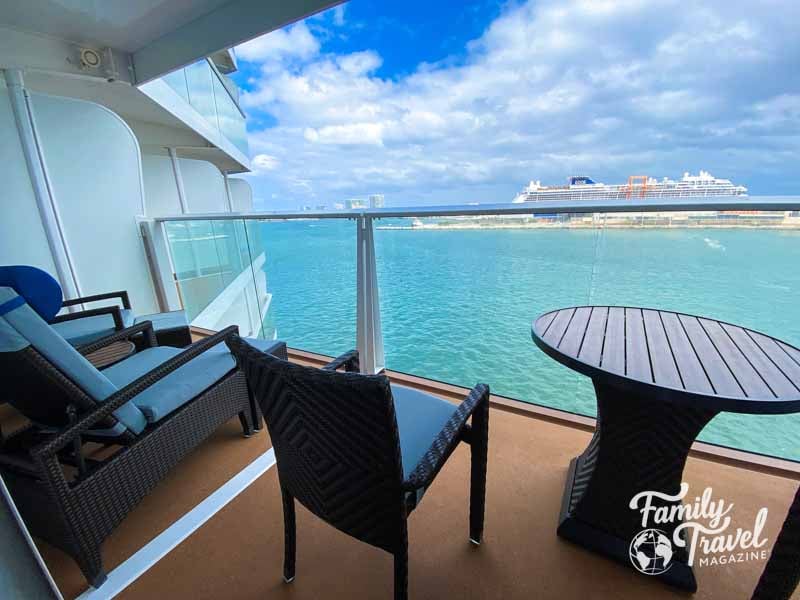
Once you know the dates, itinerary, and ship you'd like to book, research the different cruise stateroom styles and locations. While some people don't care about location at all, others have a strong preference. Regardless of the cruise line, I always prefer an oceanview balcony - I spend a lot of time out there.
You'll generally save money on an interior room; however, you'll need to consider whether it's worth it. You can learn more about the best type of stateroom for you in this post.

Excursions and Activities
Next, find excursions and activities you should book in advance. Often, the most popular of these sell out in advance. While you can sometimes book them on board, don't wait, or you may miss out.
In addition, you'll want to make reservations for any of the specialty restaurants that you want to experience on board. Most of these options cost extra. In some cases, like with Norwegian's FreeAtSea Plus, you may get a specialty meal included.
Booking times vary by cruise ship, and sometimes by your level in their loyalty club.
Look for a Cruise Group
For many sailings, someone on board will organize a Facebook group for sailors. You can find these groups by searching the ship's name and dates, and they can be a wealth of information. I typically just read the different questions and comments, but you can always post a question if you have a specific one.
Remember to limit the amount of personal information you share in any public group, and keep in mind that those who answer are fellow cruisers, so the information they provide may not be official.
Preparing Documents
Well before you sail, research the documentation (such as a passport) required for your trip. If you need to apply for or renew a passport, do it well in advance.
Check in When You Can
After booking your cruise, you'll need to check in. Check-in times can vary by cruise line. Typically, you'll need to upload a photo and your passport information. Often, at check-in, you can choose your port arrival time. Most people want to board as early as possible so they have more time to enjoy it.
Look at Prohibited Items
Cruise lines all list prohibited items on their websites. Anything not allowed on board will be held at the port until you disembark. To save time, pack only approved items. If you plan to bring alcohol onboard, there are specific requirements (including quantities allowed) that you'll need to follow.
Download the App
Each cruise line has an app that can be essential once you are on board. It's best to download the app while you are on your home WiFi and make sure you can log in and access your account.
Typically, the app will offer the cruise line itinerary, daily schedule, and ship map. You'll also usually be able to make reservations through the app once you are on the ship's WiFi.
Figure Out Connectivity
Whether you plan to stay online throughout your sailing or just want to make sure you have a way to check in at home, you'll want to research your connectivity options before you leave. All cruise lines offer WiFi options, typically for an additional fee (with some exceptions, such as Virgin Voyages, where WiFi is included).
Unless you plan to keep your phone in airplane mode throughout your trip (including on land), check with your cellular provider to see what type of cruise/international plans are available.
Personally, I keep my phone in airplane mode on board, and use my cell phone provider's international day pass plan when I'm off the ship.

Stay the Night Before
Unless the cruise port is just a short drive away, I recommend staying overnight the night before. Flight delays are always an unfortunate risk. Arrive early and enjoy the morning at your destination before boarding. On two occasions, I've also had my luggage delayed before a cruise, and an extra day meant the difference between having my stuff and sailing without it.
Understand What Is and Isn't Included
Once you get onboard, there's so much that is included. But some things still aren't, and they vary by cruise line and package type. Understand these things in advance, and know what you are willing to pay extra for. Clarify this with your kids before sailing to avoid tough discussions later.
Transportation to the Port
You'll need to get from your hotel to the port, unless you are driving in. Some cruise lines offer buses (for an additional cost) from the airport to the cruise port. Research your options in advance and choose the most convenient/cost-efficient way. Typically, that may be a ride share, but if you have car seats, you may prefer other options.
Prepare for Embarkation Day
Embarkation day is always exciting, but can also be frustrating. Be ready by preparing for lines at the port. You'll need to hand over any checked luggage to porters when you arrive at the port. Label those bags in advance, and have cash available for tips. Most cruise lines provide luggage tags in advance, and in most cases, you'll have to print them out yourselves.
Keep all your paperwork, including passports or other citizenship documents, readily available. You'll need it at check-in.

Pack a Day Bag
Staterooms on your cruise ship are typically not available until the afternoon, and your checked luggage will usually arrive in the late afternoon/early evening. So you'll want to pack a day bag to get you through the first day.
This post will help you figure out what to pack. In general, pack any valuables, documentation, medications, sunscreen, and clothes you want for your first day on board.
Port Days
Port days can be a lot of fun, but you'll want to prepare for each one. If you've booked an excursion, check the details before you sail to know what you'll need (sunscreen, closed-toe shoes, towels, etc.). Pay attention to what time and where you'll need to meet your group.
If you've booked an independent excursion, keep in mind that you are responsible for getting yourself back to the ship on time. Cruise ships will not wait for passengers who aren't on an official excursion.
Before you book your excursion, understand how long it is. If you are traveling with young kids who nap, keep in mind you won't control your schedule.
Disembarkation Day
Before you leave (and usually well before you are ready), you'll get information about disembarkation. Often, you'll have a specific timeframe you can leave the ship. If you want assistance with your luggage, you'll often have to put it out the night before.
Remember to keep everything you'll need for the morning, including a change of clothes, medications, valuables, and toiletries. You won't see your luggage again until you are off the ship.
When booking your flights home, be sure to follow the cruise line's advice about timing. They will recommend the earliest time you can safely be able to fly home, without worrying about missing your flight. They will build in time in case there are extra Coast Guard checks at the port (which does happen).
For specific cruise lines, check out these posts:




Leave a Reply