
Air travel can be stressful, especially once you are on the flight. With decreasing seat sizes and less and less legroom, even the most petite traveler can feel cramped and uncomfortable.
For overnight and/or long flights, pack smart and bring airplane essentials so you can stay as comfortable as possible while flying. You'll probably need a few things in flight, either for personal reasons or for entertainment.
Packing does take some advanced work. With limited overhead-bin space, checked-bag fees, and the risk of lost luggage, smart packing for a flight is essential. This past summer, I had my bags lost twice in one week, so I tightened my packing strategy.
I recommend starting with a packing list, then checking your airline's website to see the fees for different bags. Once you know that, you can decide which type of bags to pack. Be sure to check size and weight restrictions as well as the fees.
Disclosure: This post contains affiliate links. A purchase/click through one of these links may result in a commission paid to us at no additional cost to you.
What to Pack for a Flight: Carry-On & Personal Item Checklist
Quick Flight Packing Checklist
Before you start packing, check your airline’s website for baggage fees, size restrictions, and weight restrictions. Then, use this checklist to decide what should go in your personal item and carry-on bag.
Personal Item / Underseat Bag
Keep your most important, valuable, and in-flight essentials in the bag that will stay with you.
- Wallet
- Boarding pass
- Driver’s license
- Travel documents and paperwork
- Prescription medications and other medications
- Credit card
- Book or e-reader
- Computer
- Portable charger
- Phone charger
- Lip balm
- Airplane snacks
- Hand sanitizer
- Wipes for cleaning the tray table, armrests, and seat
- Toys when traveling with young kids
- AirTag
Carry-On Bag
Use your carry-on for larger and bulkier items that you won’t necessarily need while you’re in your seat.
- Clothes
- Shoes
- Packing cubes
- Toiletries in travel-size containers
- Quart-sized bag for liquids, gels, and aerosols
- Reusable water bottle
- AirTag
- Change of clothes
If you aren’t checking luggage, your toiletries must fit in your carry-on. Remember to empty your reusable water bottle before going through airport security and fill it once you are past security.
Long-Haul and Overnight Flight Essentials
For a red-eye or long flight, you may also want to pack:
- Eye mask
- Travel pillow
- Personal blanket
- Foot cradle
- Comfortable clothes
- Change of clothes or underwear
- Reusable water bottle
- Ear plugs or noise-canceling headphones
Keep the items you’ll want during the flight somewhere you can reach easily without unpacking your entire suitcase.
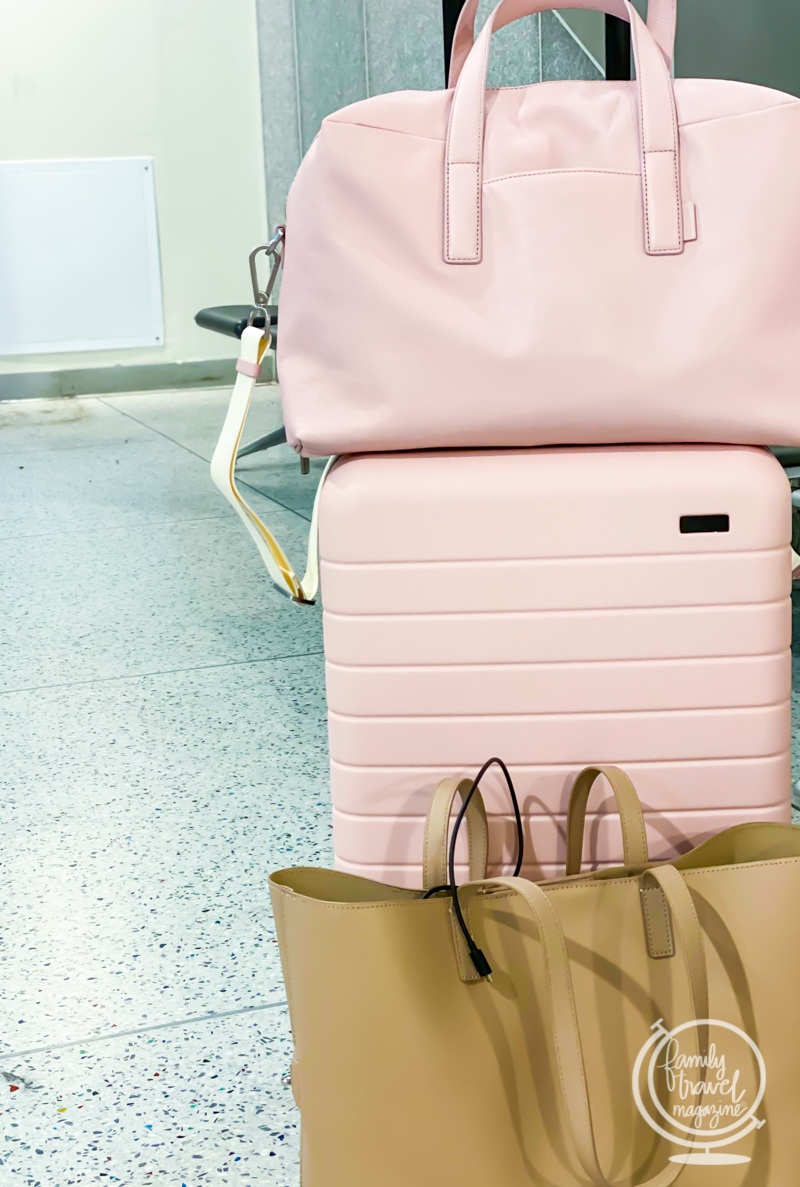
Typically, you can bring one carry-on bag that fits in the overhead bins and one personal item that fits under the seat in front of you. Personal items can include handbags, computer bags, briefcases, small backpacks, and diaper bags.
A key factor to consider is that your personal item must fit in the seat in front of you. Some airlines may have different size restrictions.
In addition, your airline (especially budget airlines or discounted rates on other airlines) may charge for overhead space, or it may be unavailable by the time you board. So pack anything essential in your personal item bag.
I have had a carry-on lost before. I checked it on the plane because there was no more overhead space, and it never made it onto the flight. Remember that spare batteries and power banks can't be checked, so remove them if you have to check the bag. Check with your airline for the latest information regarding lithium batteries.
Because luggage can be lost on both domestic and international flights, I recommend using AirTags (if you use Apple devices). Our bags were lost three times in the past few years, and it was helpful to see that they were lost as we waited at baggage claim.
We put them in both our carry-on baggage (which may possibly be checked) and our checked baggage.
Carry-on Bag
You should put larger, bulkier items in the carry-on bag. Specific airline regulations limit carry-on bag size.
International flights may have different carry-on rules, so check the information before packing. Remember that you will need to lift it over your head and make sure it fits in the overhead bin so the bin can close.
Flying on a small, regional jet? Those smaller planes have significantly less overhead space, so you may need to check a larger carry-on item.
To make the most of your carry-on bag, consider these packing tips. Rolling your clothes can help them fit more in the bag and prevent wrinkles.
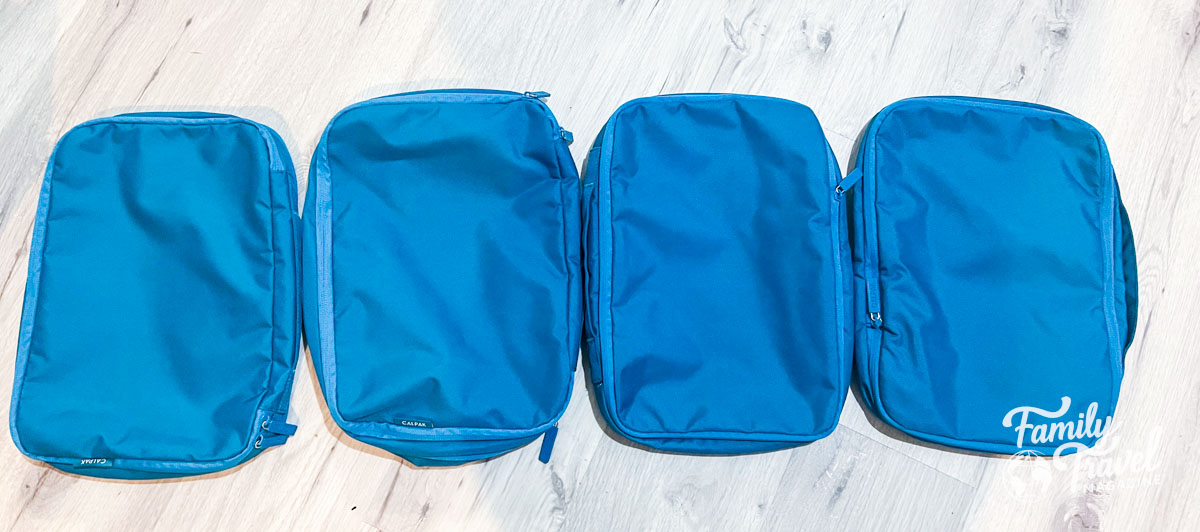
Packing cubes are also a great idea. You can roll your clothes and then place them in your carry-on bag.
I like to put my shoes at the bottom of the bag and arrange them so they are as flat as possible. If your shoes are dirty (or could get dirty at your destination), you may want to put them in separate shoe bags (you can find these on Amazon, or can use things like shower caps or plastic bags).
If you aren't checking a bag, pack your toiletries in your carry-on luggage. According to current Transportation Security Administration (TSA) regulations, you are allowed to have one quart-sized bag of liquids, gels, and aerosols, and each container must be 3.4 ounces or less in volume.
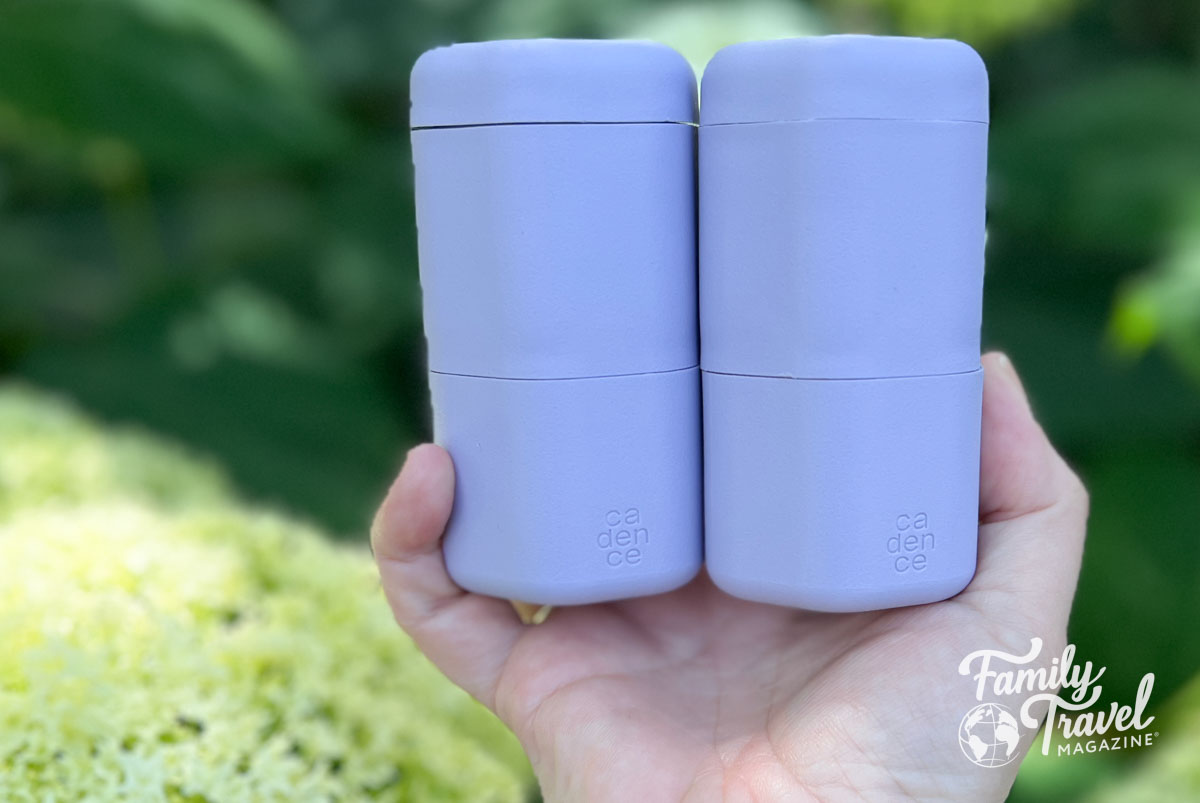
You'll either have to purchase travel-sized items or put items from a larger container into a smaller one that meets the regulations. I really like Cadence capsules—while they are expensive, they don't leak and are easy to fill.
If you pack a reusable water bottle, remember to empty it before going through the security checkpoint. You can fill it up once you are past security.
While I generally recommend putting any essentials in your underseat bag, if you do decide to put any in your carry-on bag, they should be at the top. That way, you can remove them if you have to check your bag at the last minute. You'll also have access to them during the flight if they are in front of you.
Underseat Bag
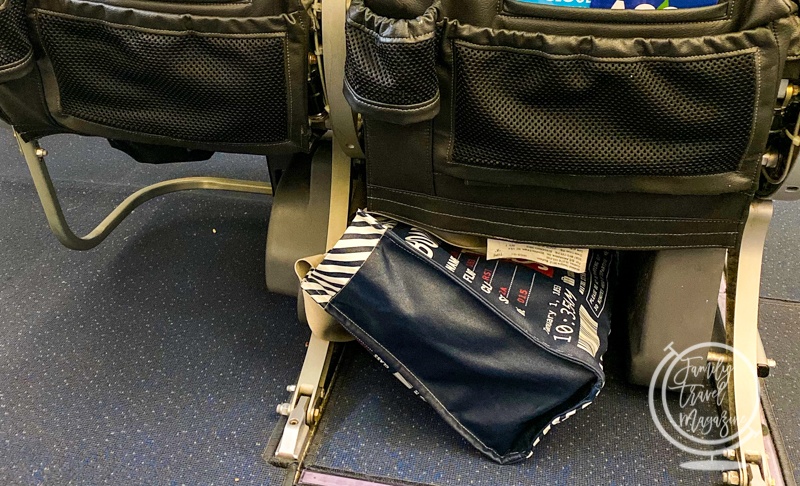
You'll store your personal item (or underseat bag) under the seat in front of you. If, however, you are seated in a row section where you have a bulkhead in front of you (and not a seat), the flight attendant will inform you that you'll need to place this item in the overhead bins for takeoff and landing.
I often find this inconvenient, although you'll probably have more legroom in these seats. It's a trade-off you'll have to consider.
Your personal bag should include your most important and valuable items, such as your wallet, boarding pass, medication (especially prescription medications), driver's license, travel documents, and paperwork, as well as anything you'll want for your flight.
This would include a book or e-reader, a portable charger, a phone charger, lip balm, a computer, airplane snacks, a credit card, hand sanitizer, wipes to clean the tray table, armrests, and seat, as well as toys (if traveling with young kids), etc.
Overnight/Long Flights
When packing for air travel, whether it's a red-eye or a long-haul flight, you'll likely want to include a few essentials to stay comfortable.
As I've gotten older, I've found it extremely difficult to get comfortable in a coach-class seat on some long-haul or red-eye flights. So, it's important to have the right items so you can at least get a little comfortable.
Here are some of my favorite red-eye travel essentials (available at Amazon):
Eye Mask (If you are sensitive to light and want near-complete darkness, a sleep mask can be helpful)
Pillow (I don't like the U-shaped ones - regardless of what travel pillow you bring make sure you put it in your carry on bag and not directly on the germ-filled airport security belt)
Personal blanket - I love this wearable one because it has a pocket and won't slide off of you.
Comfortable clothes - make sure you are as comfortable as possible. While passengers once dressed to impress, it's now more important to be comfortable.
Change of clothes - You may want to change if you aren't going right to your hotel room at your final destination. Even a change of underwear can be a good idea. Or, if your bags are lost, it's good to have at least one set of clothes (more if you can fit them).
Reusable water bottle—You may want some water on your flight, especially on a long-haul flight. You can bring an empty water bottle through security and then fill it once you are past security.
Ear plugs or noise-canceling headphones - if you are sensitive to noise. My last two international flights had some very loud passengers and I was glad to have my noise-cancelling AirPods.
If you are taking a red eye, you'll probably find that these items, in addition to the other essentials, really fill up your personal item. In that case, you can place them in a separate bag (such as a tote or plastic bag) inside your overhead bag, at the top.
Then, when you are ready to use them, you can pull them out without opening the entire suitcase. You won't need many of these items at your destination, so you can tuck them away once you arrive to maximize space.
Hopefully, these tips will help you prepare for your next flight, especially any planned long trips. If we've left out anything you'd recommend, please leave us a comment.

Leave a Reply